Cotton Tie Die
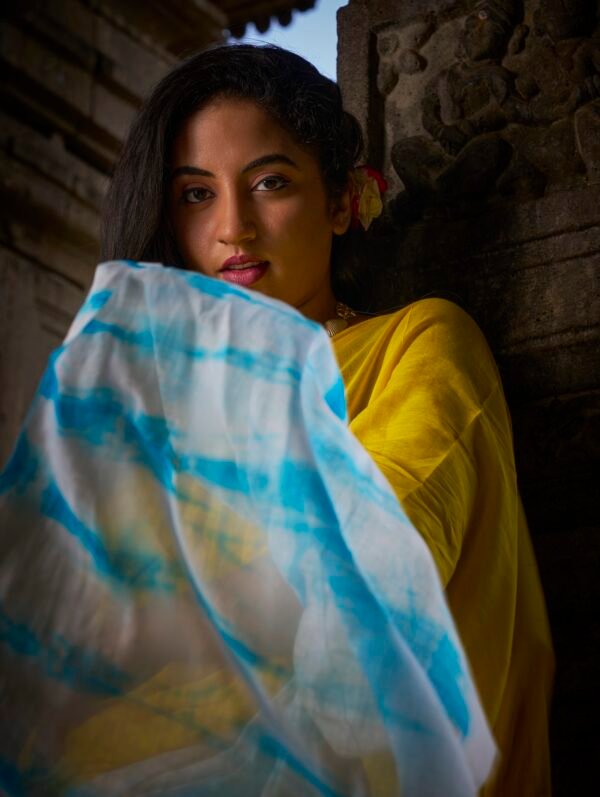
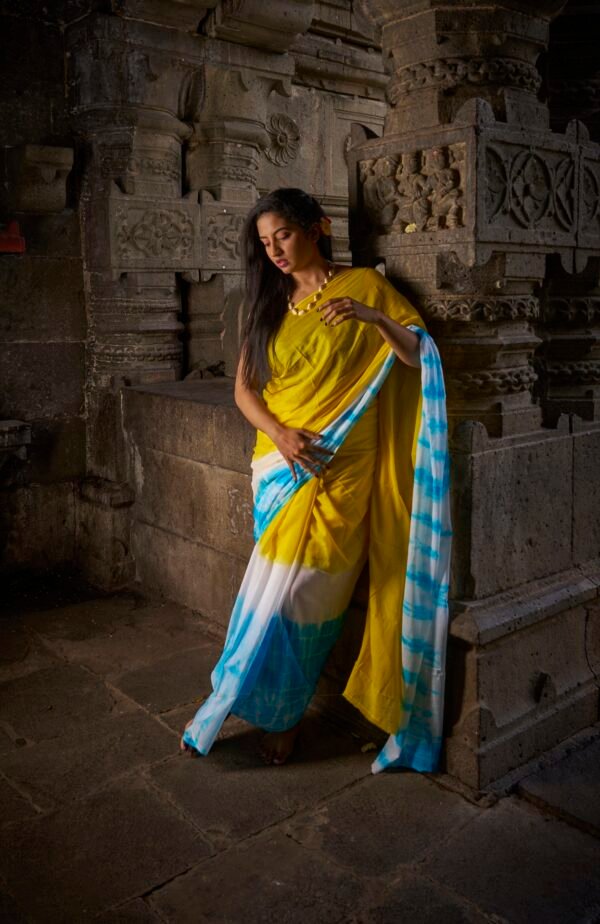
Tie-dye — known in parts of India as bandhani or bandhej depending on the region — is a resist-dyeing technique where sections of fabric are tightly tied before dyeing, leaving small undyed dots or patterns once the ties are removed. It’s one of the oldest textile decoration methods still practised by hand in India, and no two tie-dye sarees ever come out identical, since the exact placement and intensity of each tied section varies slightly with every piece. Rooi Rang’s cotton tie-dye collection is woven on handloom cotton and finished using this traditional resist-dyeing process, giving each saree the characteristic small dotted or patterned motifs associated with the technique, rather than a printed imitation. Colours tend to be bold and graphic here — think contrasting dye combinations rather than muted, single-tone pieces — which makes this category a good option if you want a saree that reads as a statement piece without moving into heavier silk or zari territory. Because the pattern comes from the dyeing process rather than the weave itself, these sarees are also generally lighter and easier to style casually than more formal weaves like Chanderi or Paithani. Good for festive daywear or as a colourful alternative to solid cottons in your existing wardrobe.
Showing the single result